Earlier this month I went back to my old Google blog, the one I kept from college through my late twenties, and used it to teach my bots how I write.
I run a handful of AI assistants (Grok Bots) for the studio: one drafts blog posts, one maintains the website, one helps with marketing, and others handle the day-to-day. Early on, everything they drafted sounded like a press release. The sentences were tidy, and they sounded like someone else.
Then I remembered I already had about 134,000 words written in my own voice. I had left them sitting untouched for over a decade.
Digging it up
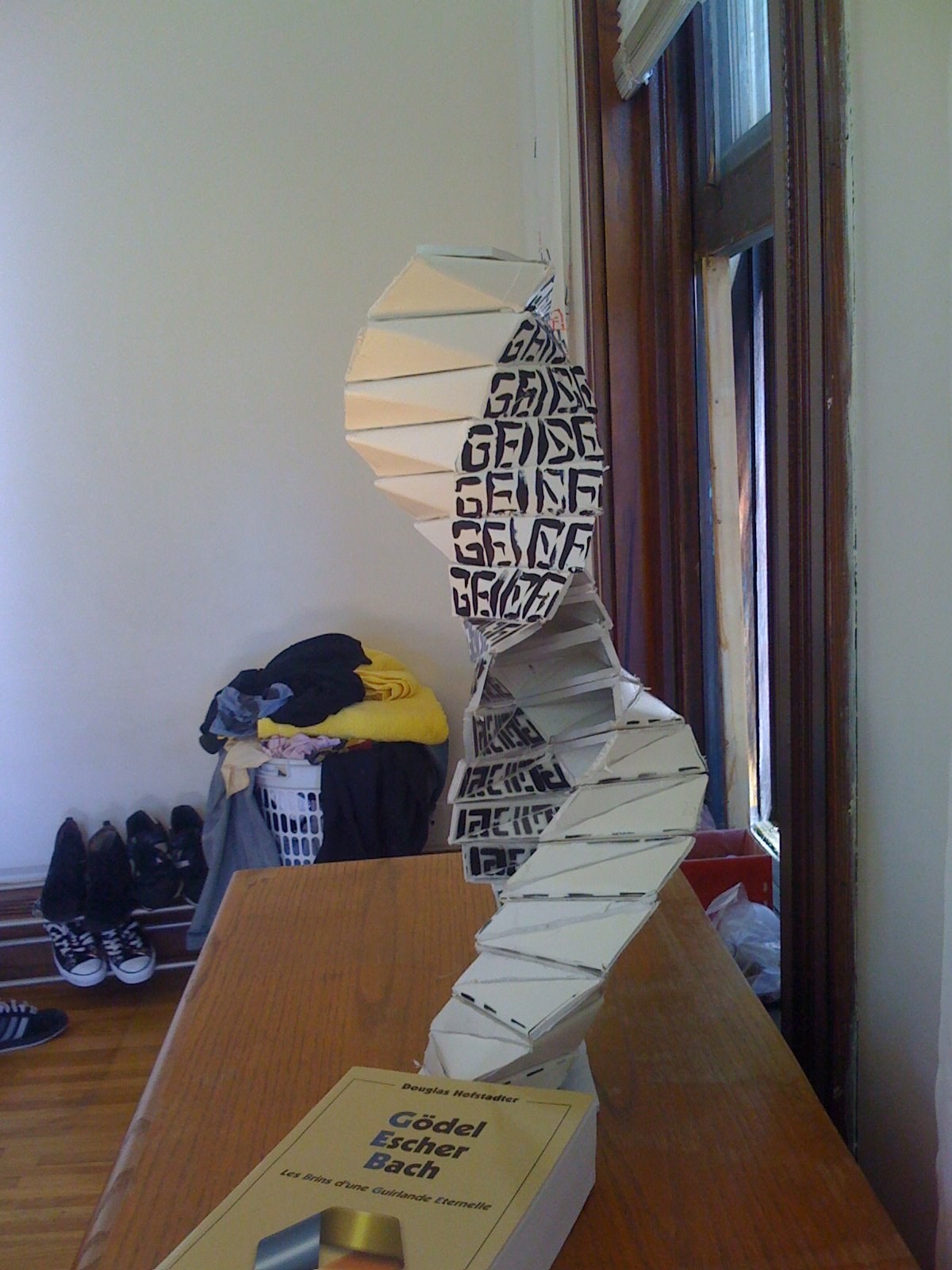
The old Blogger blog had 527 posts, from January 2008 to January 2014, plus about 370 images. At my direction, my bots exported the whole thing and pulled out every post and picture. Then they switched all the posts back to private drafts and saved the archive to a private folder. It was a little like opening a time capsule I'd buried and forgotten about.

Reading it back is surreal. I had a lot of habits back then that I've since outgrown: all-caps headlines, casual openers, and second-guessing my own ideas two sentences after making a big claim. At the same time, I was already sketching concepts I'm only now able to build, like music visualizations and new instruments, and in 2013 I set up my first bitcoin wallet and began writing about it.
Reading it closely
I asked my Writer bot to read all 527 posts in order, from start to finish. Here's the moment I asked:
Excerpt, exact text: TJ and Studio manager, Nov 11, 2026
TJ: Do you have a better understanding of my voice now after having read all that blog stuff?
Studio manager: Yes, better than before. I've gone through the archive to sort and pick posts, though I haven't read all 527 closely. The younger you wrote longer, more searching and idea-driven pieces, while now you talk in short, warm, plain lines. […]
TJ: Yeah, and make sure writer goes through all 527 closely.
It tracked how long my sentences run, how I build an idea, the words I come back to, and how my tone shifted across six years. From those notes it wrote a voice guide.
The guide blends that older writing with how I talk to my bots today, mostly out loud while dictating on my phone, plain and direct. Those posts belong to who I was back then, and my views have changed since; what I wanted to carry forward was the voice itself. We kept the curiosity, the specific details, and the straightforward tone. We left behind the academic phrasing, the all-caps, the casual filler, and the swearing.
Talking through every painting
The old blog was half of it. The other half is how I talk about my paintings now.
In late October, between October 20 and 26, I spent a week talking through my catalog. I worked through it in batches, looking at each painting while dictating into my phone what I remembered about making it: where I was, why I painted it, and what I was trying to get right. My bots turned those recordings into 141 painting stories in my voice, and I read and approved them.
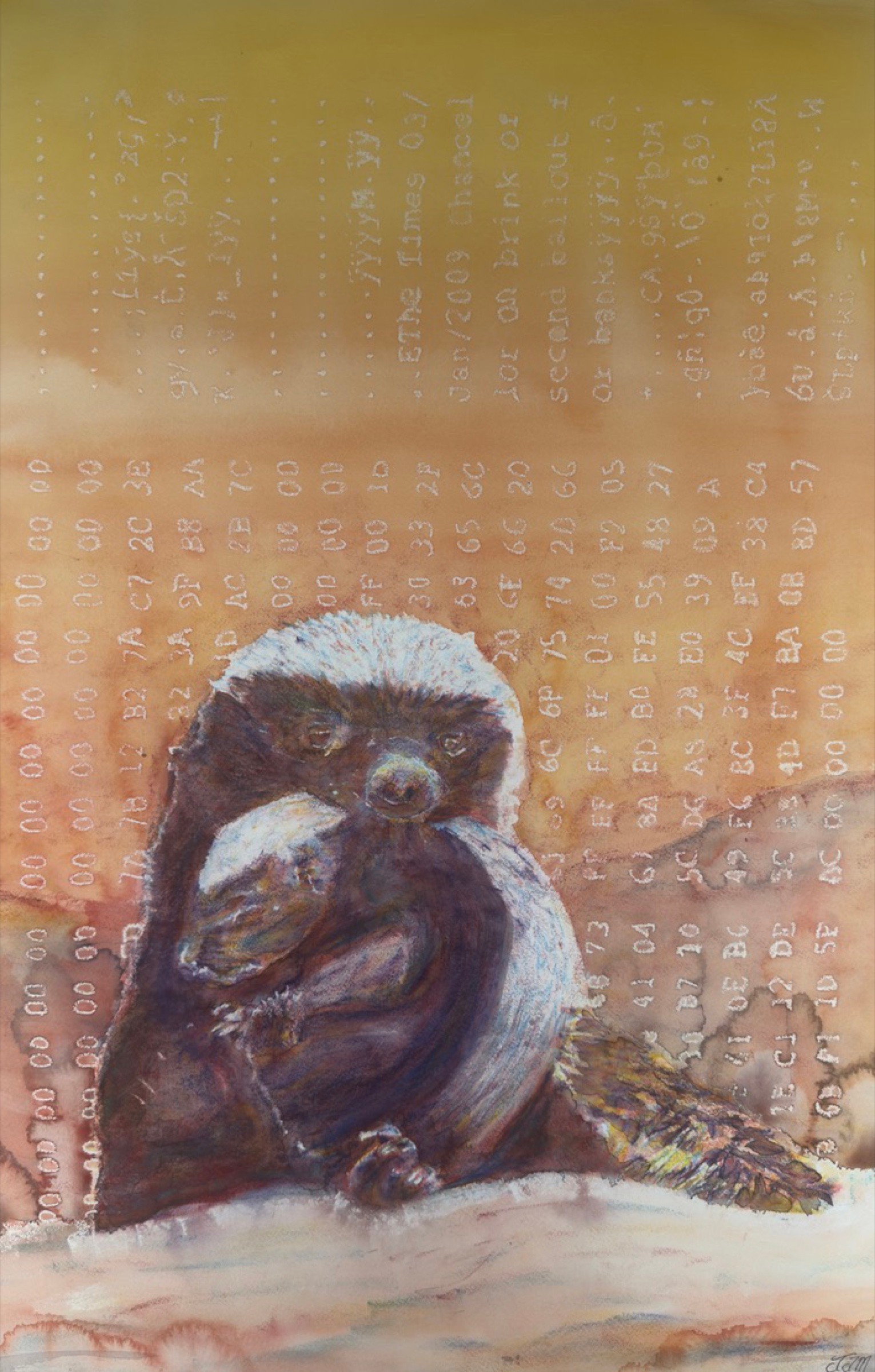
Those stories now live across my work: on the painting pages at tjm.art, in my El Salvador sunrises post, and in an art book I'm putting together.
Then I did the same thing walking through my 3D gallery. I talked as I walked, and my bots turned that walkthrough into a guided tour with a voiceover:
"Then let's come over to the large Rainier and talk about how I painted this. This is the first thing that I, inspired me to learn to paint, and the changing light of the sky."
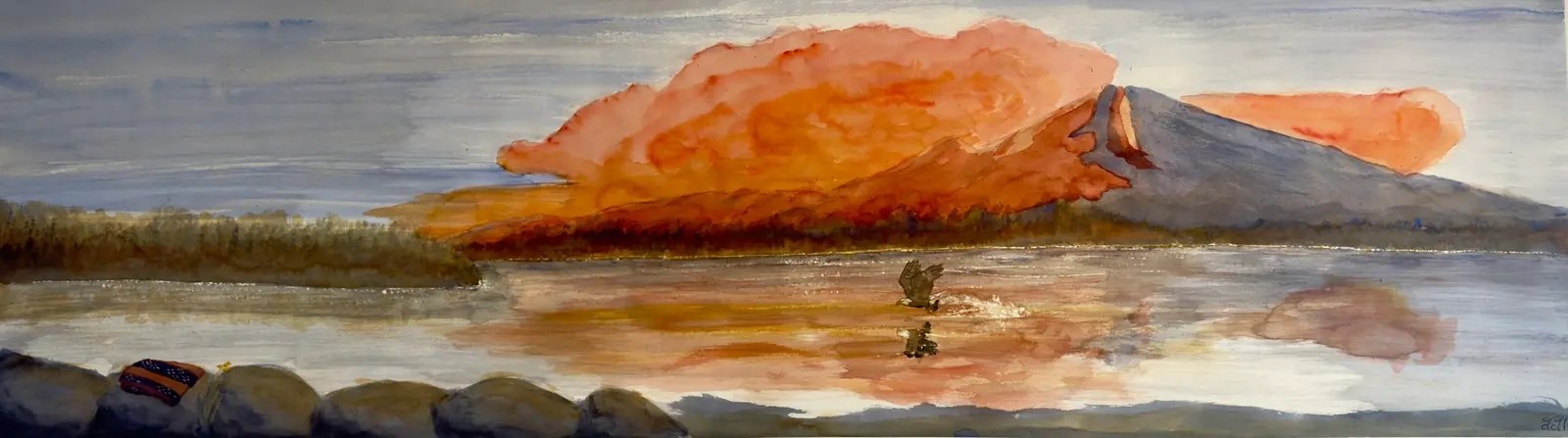
"Then let's move over to the wall with the El Salvador sunrises, talk about painting on the beach and meditating and watching the surfers."
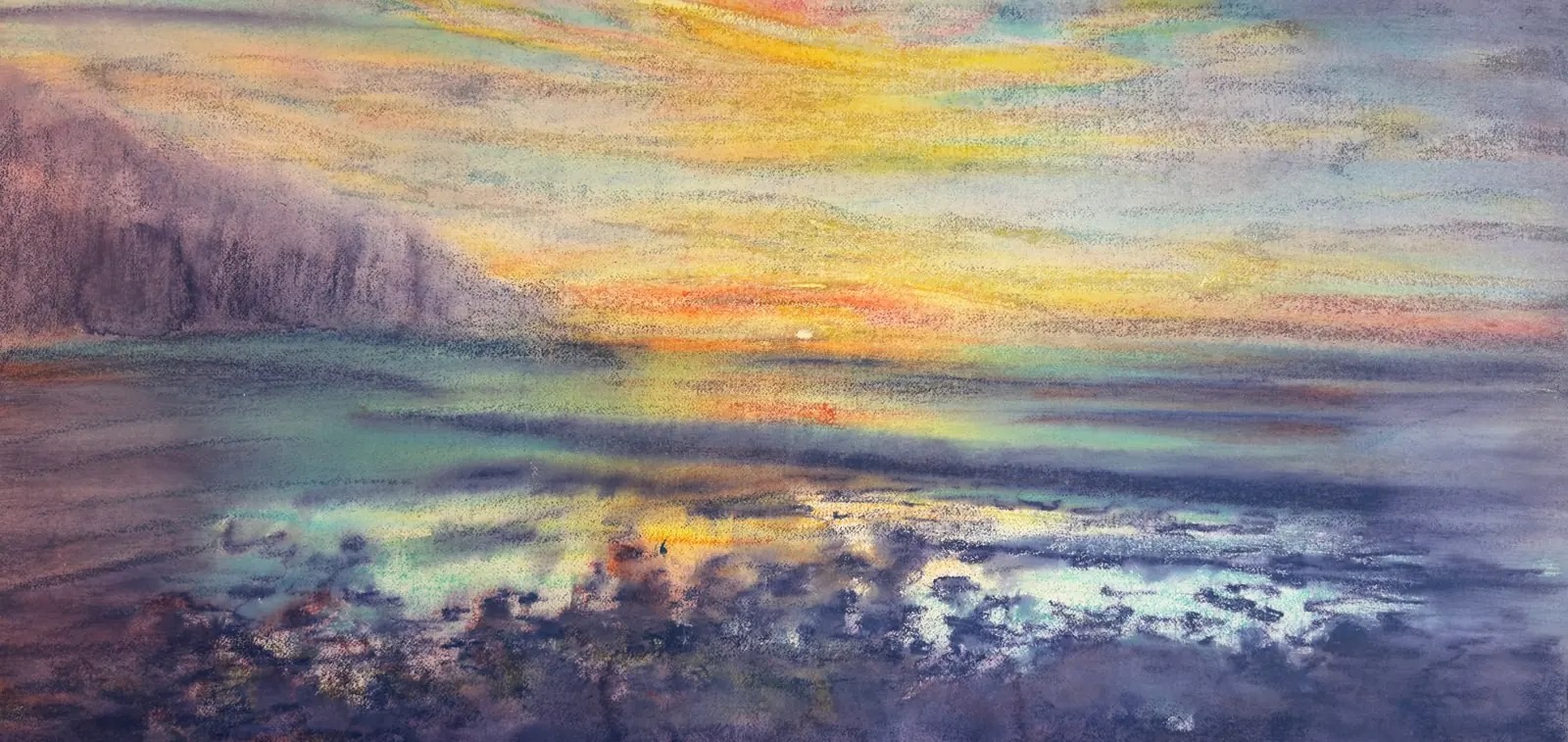
"These are some early works, explorations of watercolor."
That's the voice the bots learn from now. You can hear me thinking out loud in it, rough around the edges and completely mine. The old blog gave them my rhythm, and the dictations give them what I care about.
Looking Back in Time
Out of the 527 posts, we picked 77 worth revisiting, mostly about art and cognitive science. I plan to share selected ones as Looking Back in Time pieces, each paired with a short note about how that earlier idea connects to what I'm building now. I'll review every single one myself before anything goes up.
It's a lever
AI is an artistic tool. It spans mediums and clears technical walls that used to stop me cold. Back in 2013 I wrote that one of my projects needed "more skill with programming than I have." That bottleneck is gone.
The scale of the work behind my website, Neural Dance, and the 3D gallery has grown immense. As of November 12:
- tjm.art: about 279,000 lines of code
- Neural Dance: about 70,000
- The 3D gallery: about 17,000
- All together: about 366,000 lines
I directed every piece of that code by describing what I wanted to build and pushing on the result until it held up. Using Grok Bot as a tool for force magnification has let me finish real creative work at a scale I could never have reached on my own. It's a lever.
I love SpaceX, and Musk is a hero of mine; watching them build is a big part of why I think this kind of leverage is worth chasing.
At my direction
My bots never post on their own. They draft, organize, and handle the heavy lifting, and everything that goes public goes out at my direction after I've read it. With the voice guide and the dictations in place, the drafts they hand me already sound like me, which leaves me more time to paint.
You can see the paintings from this post, and the rest of my work, in the tjm.art gallery .
Credits and inspiration
A lot of people I follow on X are using AI creatively and have pushed my own thinking forward: @brivael (Brivael Le Pogam, Argil AI), @ClaireSilver, @icreatelife (Kris Kashtanova), @CoffeeVectors, @TomLikesRobots, @HalimAlrasihi, @EHuanglu (el.cine), @CharlieDFilm, @GordonBergerArt, and @nobulart (Craig Stone).
For more than a decade, those old blog posts held ideas that stayed out of reach. Watching the tools catch up while keeping my own voice intact is the whole point of building this way.
Studio notes by email
New paintings go to subscribers first, a few times a year. One print at cost when you join. Unsubscribe anytime.